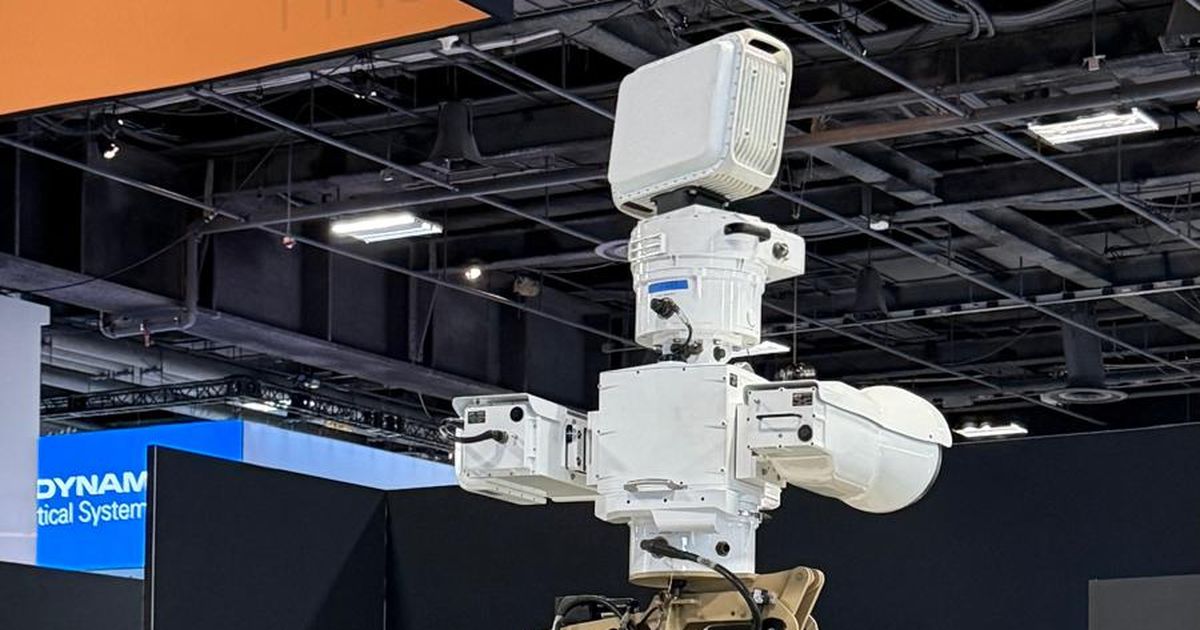
AUSA 2026 Floor Notes: Cheap Drones, Layered Defences, and Cameras That Never Blink
Three days at the Army's biggest show in Washington. The drones got cheaper and quieter. The defences got taller, wider and more integrated.
READ POST →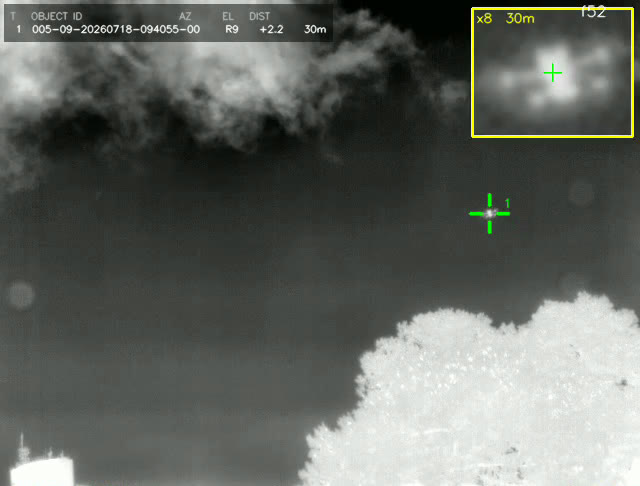
More Pixels or More Eyes? SCD’s Mini Blackbird 1280 vs the Boson 640
A cooled 1280 × 1024 mid-wave core and an uncooled 640 × 512 long-wave core, compared for counter-drone detection. At the same pixels on the target, the cooled core covers about twice the field per camera; the uncooled core wins on size, power and published price.
READ POST →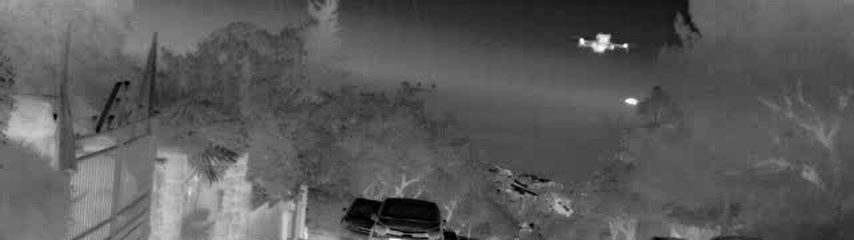
Counter-UAS Buyer’s Guide 2026: How to Evaluate Drone Detection and Defence
What each sensor sees and misses, what you can legally do about a drone, and how to run a pilot that tells you something a demo cannot.
READ POST →Blink and It’s Over: The Fatal Flaw of the Scanning Eye
A sensor that sweeps the sky is blind everywhere it is not looking. A fast drone needs only one blink to slip through. A swarm turns every blink into a breach.
READ POST →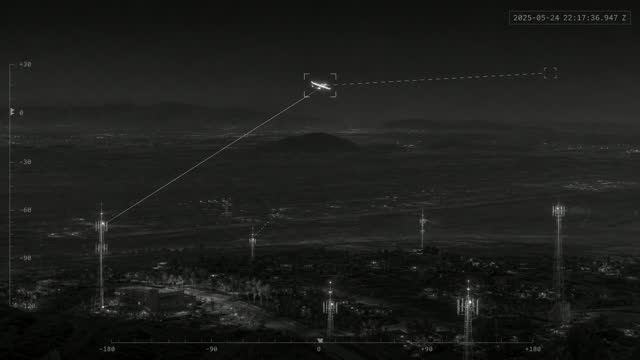
The Drone Is Also a Subscriber
A growing share of long-range drones fly on somebody’s mobile network — and that operator can see the connection from the inside and cut it without emitting a thing. The missing piece was never the mechanism. It was identifying which subscriber, fast enough to matter.
READ POST →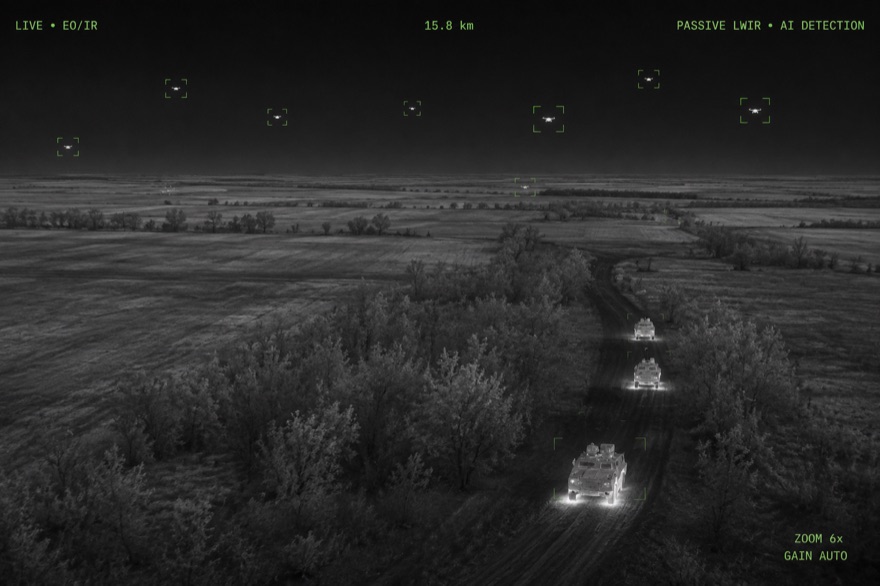
The Drone Stopped Cooperating
A 36-page Q&A from serving Ukrainian officers publishes the list almost nobody publishes — the counter-drone kit that was bought and did not survive contact. Read the failures in order and they sort by one principle: every method that worked depends on the drone emitting something.
READ POST →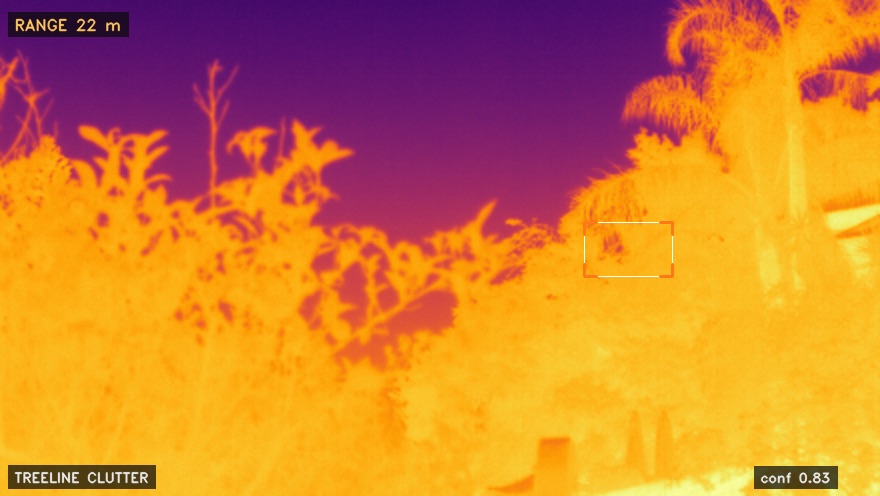
No single sensor wins the drone war
Australia is funding both halves of the answer — layered sensing and a shot cheap enough to use. Read Department 13 and EOS Defence Systems together and the same conclusion falls out: RF can’t see the drone that doesn’t transmit, and an effector is only as good as the track that cues it.
READ POST →The rules just changed. Build your counter-drone plan around EO/IR.
The new C-UAS rule split the market in two: detection you can deploy today, mitigation you wait in a licensing queue for. How buyers should re-strategize — and why passive EO/IR is the layer that’s clear to switch on now.
READ POST →The camera that can only look one way
Cooled-MWIR pan-tilt-zoom sensors are sold on range. Against small, autonomous, swarming drones a moving camera can only watch one thing at a time — here’s why fixed-stare thermal plus AI is the more robust counter-UAS architecture.
READ POST →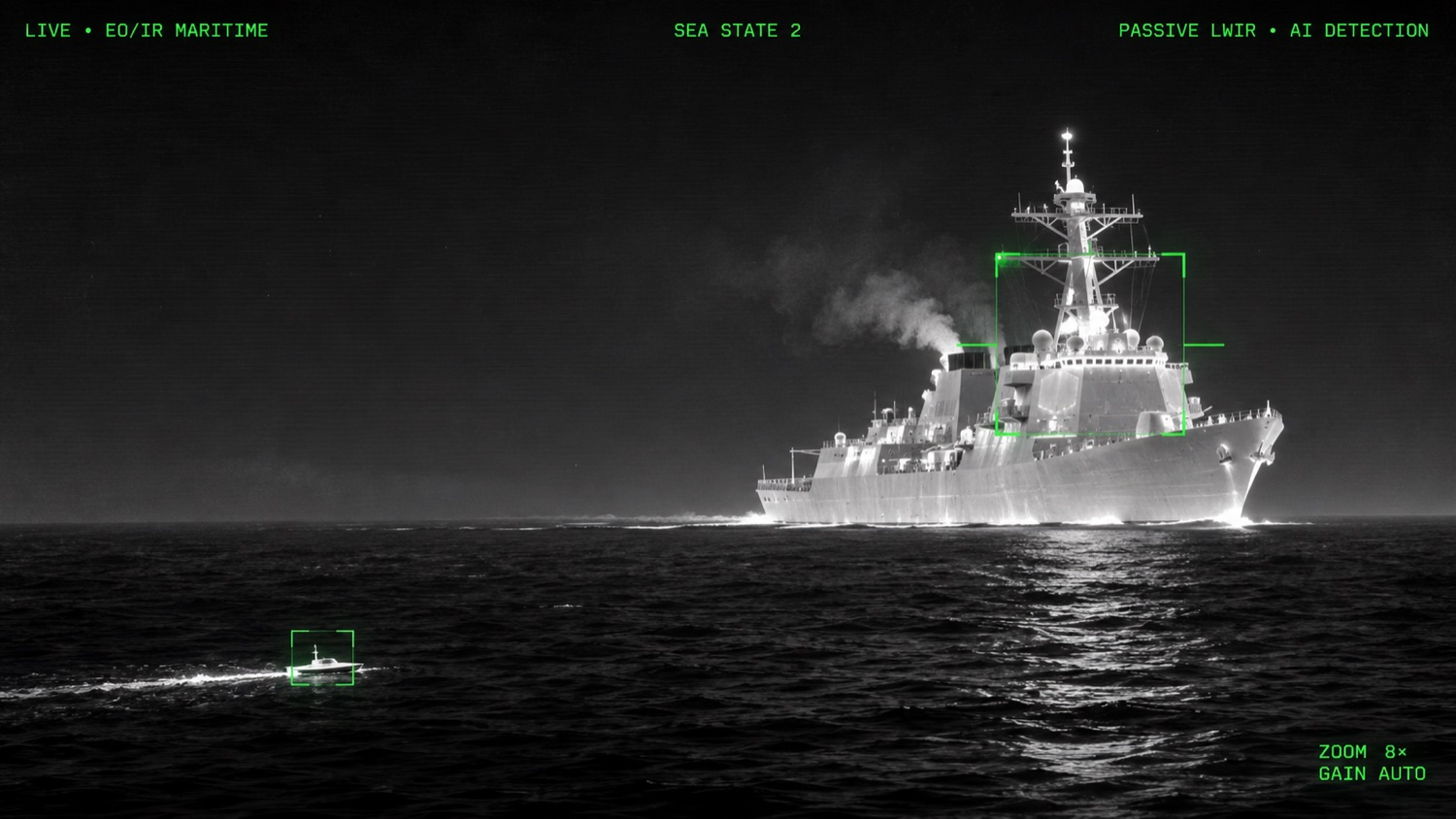
How to sink a navy with a $500 drone
Ukraine is fighting Sun Tzu’s war with uncrewed systems that cost less than the missiles fired at them. What the asymmetry means for ports, offshore assets and anyone with something on the water.
READ POST →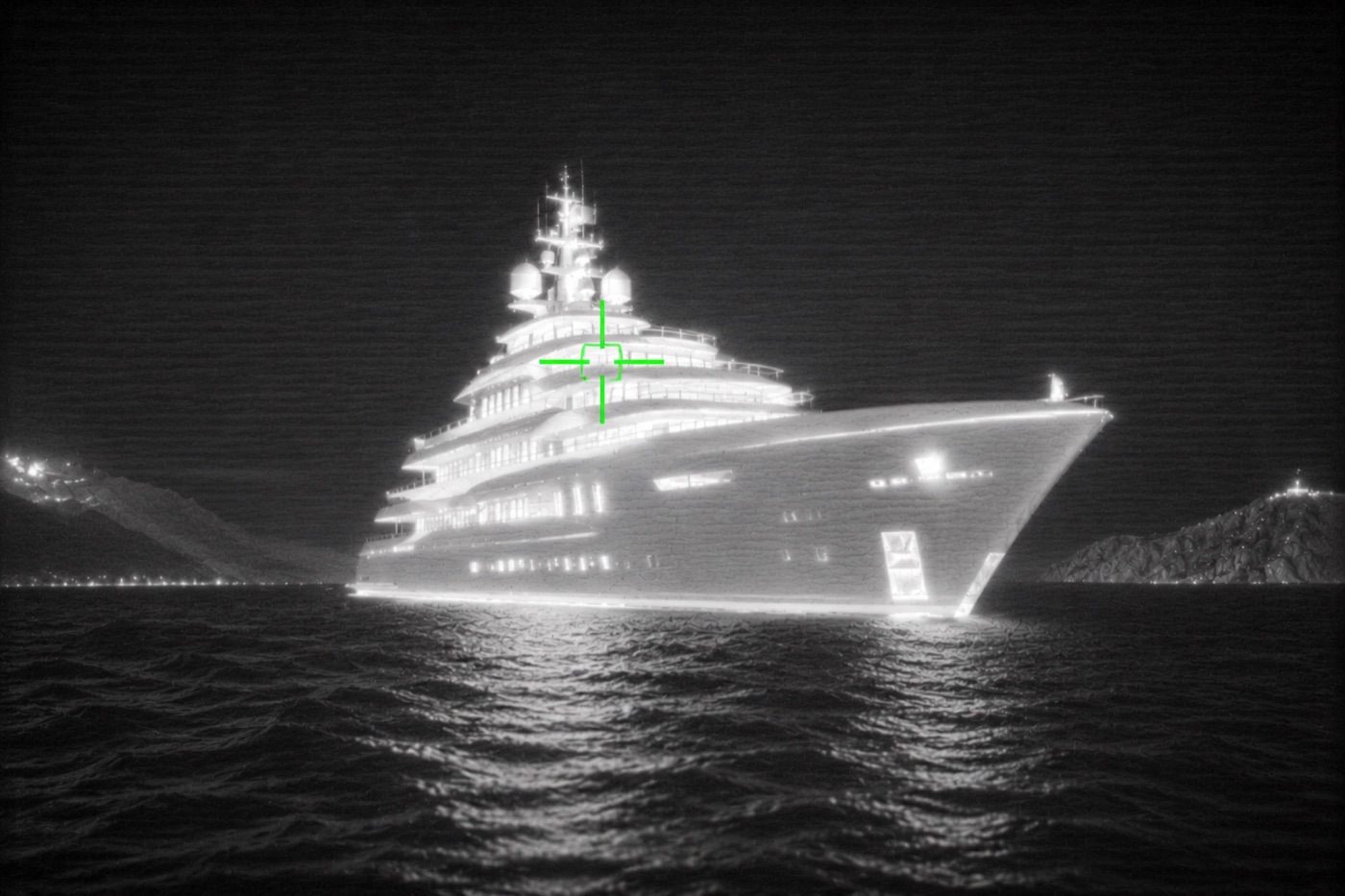
Protecting VIPs from drones
What a warship-escorted superyacht tells us about protecting VIPs in the drone era — and why radar, RF and jamming don’t travel with a principal. The case for a passive thermal layer.
READ POST →
A detection nobody can review is a rumor
In counter-UAS, hardware is table stakes — the detection algorithm and the management system decide whether a site is actually protected. Four questions every fleet owner eventually asks, and how GOTEAM Hub answers them.
READ POST →